H2Ozarks is committed to protecting the water quality in the Ozarks. Perhaps surprisingly, one of the most impactful ways we do this is by helping homeowners repair or replace failing septic systems through our Septic System Grant Programs. In Arkansas and Missouri, several watersheds have been identified as impaired due to non-point source (indirect) pollution, which can be caused by failing septic systems. Homeowners located in specific watersheds can apply for funding to replace or repair their failing septic systems.
Our Septic System Grant Programs provide financial assistance to eligible homeowners located in program areas who have an onsite wastewater treatment system, or septic system, that is failing. Replacing an entire septic system can be cost prohibitive to many. Through these grant-funded programs, residents can qualify for financial aid to repair or replace their system.
By partnering with homeowners, we can prevent untreated wastewater from polluting our local streams, rivers, and groundwater. This protects beloved waterbodies which are our sources of natural beauty, outdoor recreation, and economic growth through tourism. Additionally, these programs support public health, protect our drinking water sources, and benefit families and homeowners.
How Do Septic Systems Affect Water Quality?
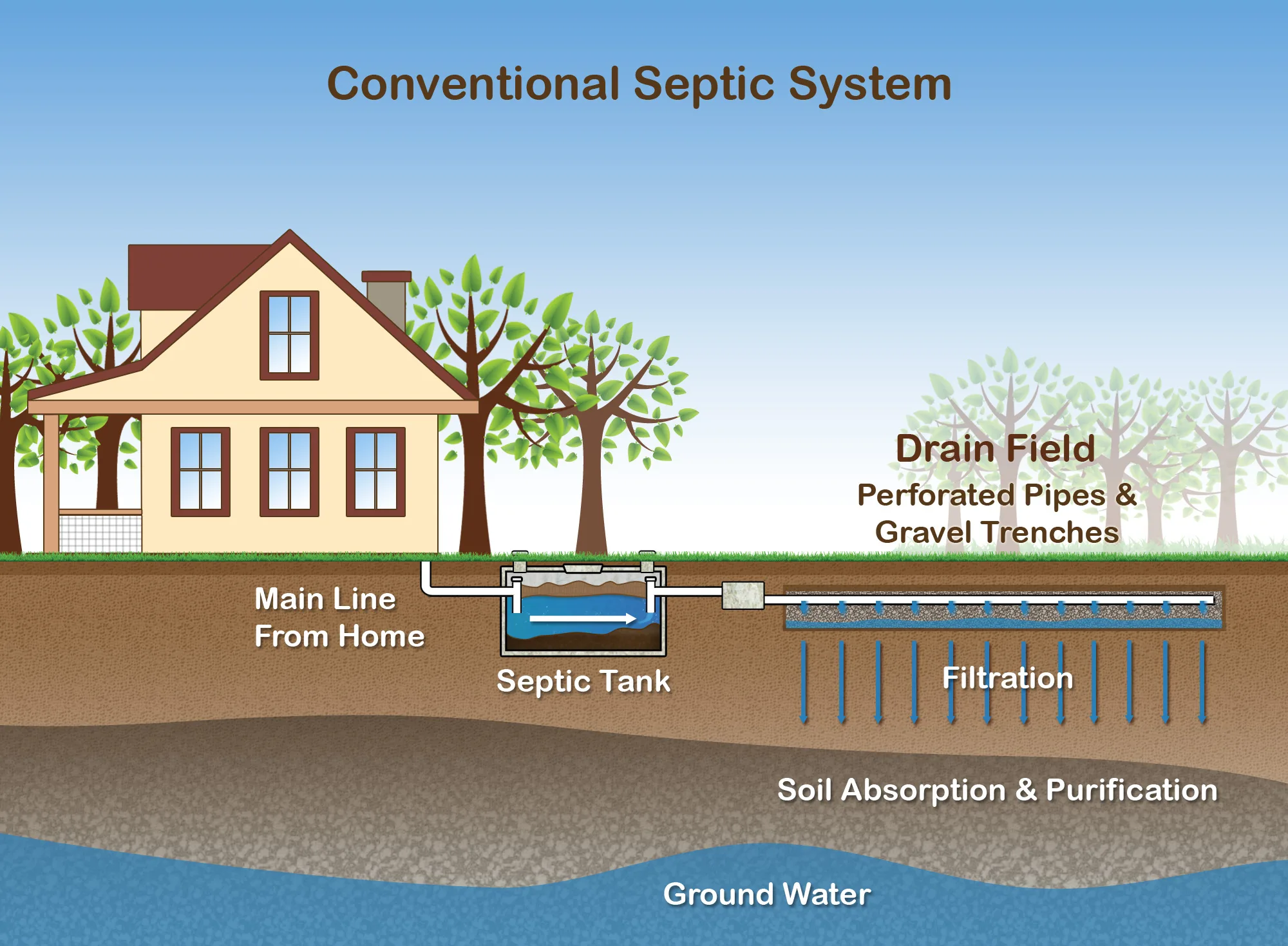
Septic systems typically work by using natural processes to treat wastewater. Wastewater flows out of your home and into the septic tank, where solids sink to the bottom, and grease, fats, and other scum float to the top. Bacteria and other microorganisms feed on these materials, and then the partially treated, liquid portion of the wastewater flows out of the tank and into many narrow pipes with holes, or lateral lines, to disperse slowly and evenly across a drainage field. This allows the soil to naturally filter out any remaining pollutants before the water seeps back into groundwater.
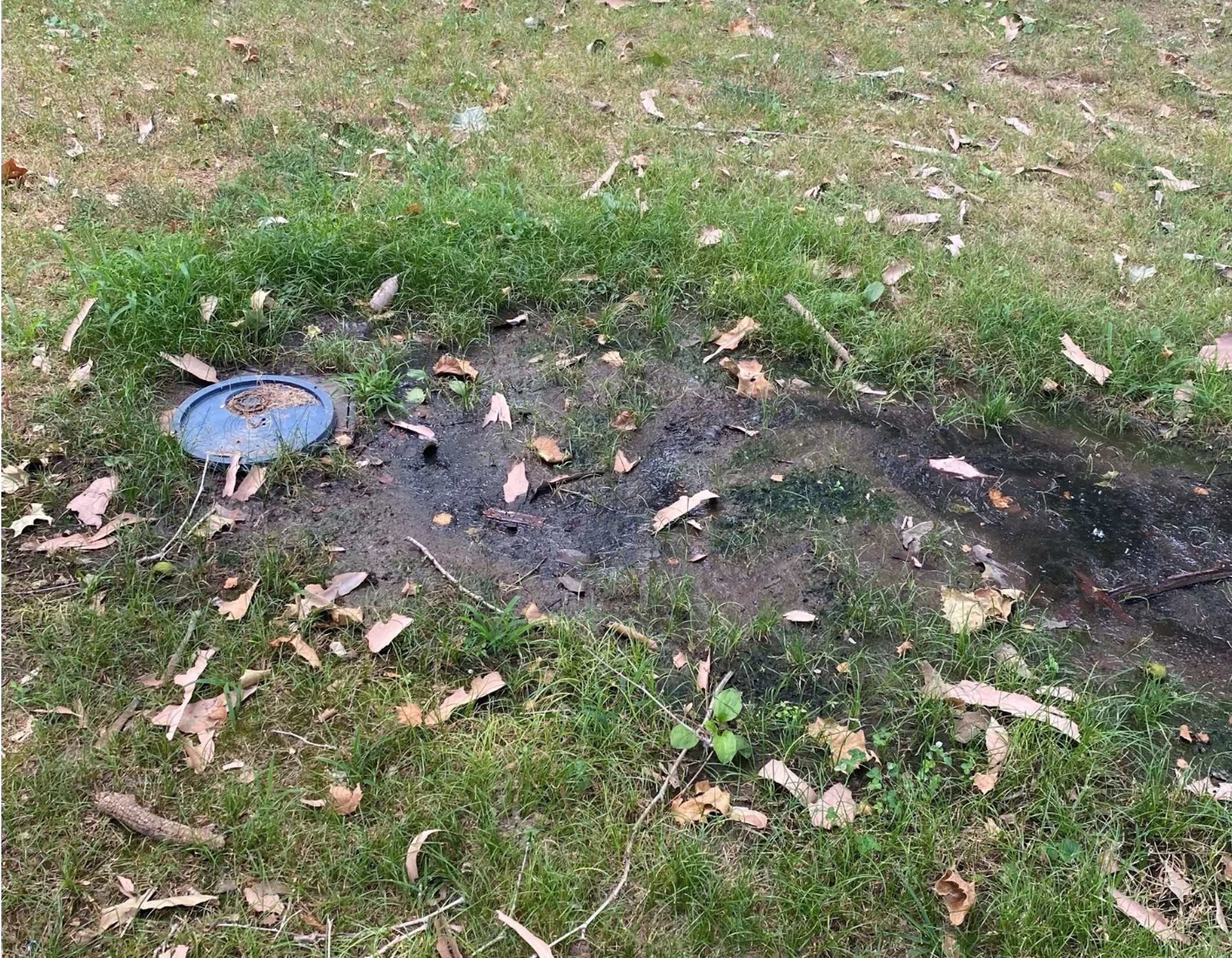
When septic systems fail, untreated sewage can flood the field and rise to the surface, or leak into the groundwater and flow to nearby waterways. In the Ozarks, this is especially serious because of our sensitive karst geology. Karst landscapes are highly porous, with caves, sinkholes, and underground streams that allow contaminants to travel quickly underground without being naturally filtered through soil or vegetation. These contaminants can enter our groundwater, or run into surface waterbodies like Table Rock Lake or Beaver Lake. Untreated sewage can impact everything from recreation, aquatic habitat, and safe drinking water.
Properly functioning septic systems are essential to protecting water quality in our vulnerable Ozarks region.
How Do I Know If My System is Failing?
There are common signs you can look for in a failing septic system:
Gurgling sounds in the plumbing system
Bathtubs, showers, and sinks draining slowly
Standing water or damp spots over the tank or drainfield, especially in dry weather.
Bright green grass that is lush or spongy growing over the tank or drainfield, especially in dry weather.
Water and sewage from toilets, drains, and sinks backing up into the home’s plumbing
Sewage odors around the tank or drainfield
Sewage or wastewater backing up in the drains
Nobody wants to deal with failing septic systems or hazardous sewage. If your system is failing or you’re experiencing these problems, check if you’re located in our program area, or contact us to learn more.